
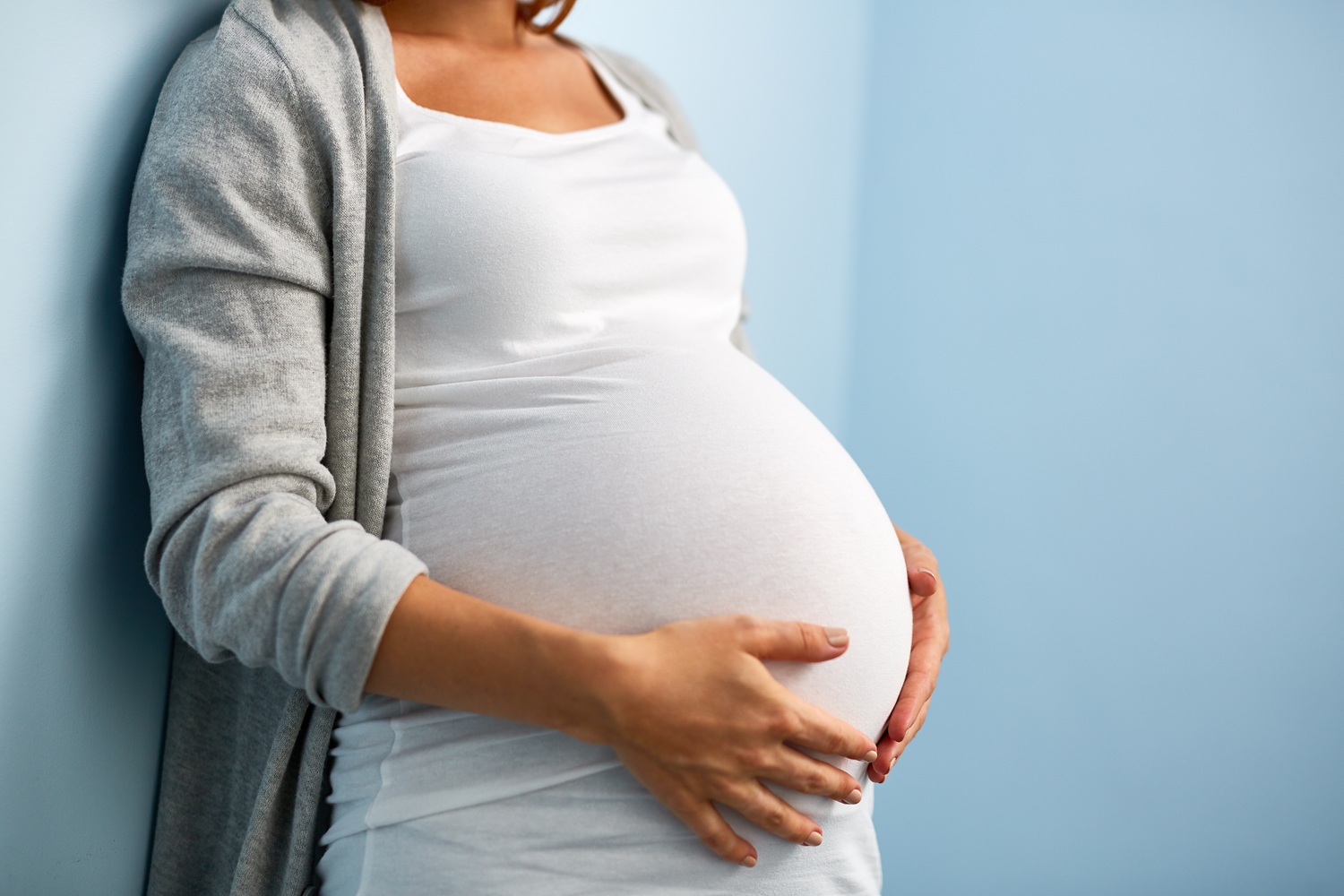
Pregnancy discrimination can be inherently confusing and obscure. It’s valid and understandable to question whether what you’re experiencing meets the legal threshold of pregnancy discrimination. Most employers will never say, “I’m firing you because you’re pregnant.” The warning signs are much more subtle.
Patterns and timing constitute many of those warning signs. A performance review changes right after a pregnancy announcement. Someone takes maternity leave, and their role gets “restructured.” Accommodation requests go unfulfilled until the employee who made them feels pressured to resign.
New Jersey gives pregnant employees strong workplace protections, but timing, documentation, and deadlines can shape what options remain. Employees who understand their rights at work are usually in a better position to recognize the problem early.
Quick Answer:
Pregnancy discrimination in New Jersey is prohibited by the Law Against Discrimination, N.J.S.A. 10:5-12, which applies to all NJ employers regardless of size. Federal law applies to employers with 15 or more employees. Employees have 180 days to file with the NJ Division on Civil Rights or two years to file directly in NJ Superior Court. Retaliation for asserting pregnancy rights may also create a separate legal claim.
What Is Pregnancy Discrimination?
Pregnancy discrimination means treating an employee unfairly because of pregnancy, childbirth, or a related medical condition. It can affect hiring, firing, pay, job assignments, leave, accommodations, promotions, and day-to-day workplace conditions.
Very few employers engage in direct pregnancy discrimination. It’s usually indirect, closer to exclusion from meetings after learning about the pregnancy than “you can’t work for us if you’re pregnant.”
Evidence for these claims is based on circumstances. Things like timing, documents, inconsistencies in reasoning, witness statements, and comparisons to other employees usually make up more of the evidence than the claim itself.
Federal Protections for Pregnant Workers
Three major federal laws may protect pregnant employees.
Pregnancy Discrimination Act (PDA): The PDA is part of Title VII and is codified at 42 U.S.C. § 2000e(k). It applies to employers with 15 or more employees and prohibits adverse employment actions based on pregnancy, childbirth, or related medical conditions.
Pregnant Workers Fairness Act (PWFA): The PWFA is codified at 42 U.S.C. §§ 2000gg–2000gg-6 and became effective on June 27, 2023. It applies to employers with 15 or more employees. It requires reasonable accommodations for known limitations related to pregnancy, childbirth, or related medical conditions unless the accommodation would cause undue hardship.
Family and Medical Leave Act (FMLA): The FMLA provides up to 12 weeks of unpaid, job-protected leave per year. It applies to employers with 50 or more employees. The employee must also meet work-history and hours requirements.
How Pregnancy Discrimination in New Jersey Goes Further Than Federal Law
The biggest difference for many New Jersey employees is employer size.
Under the federal PDA and PWFA, protections generally apply only to employers with 15 or more employees. But the New Jersey Law Against Discrimination prohibits pregnancy discrimination for employers of any size.
For example, an employee at a six-person company won’t have a federal pregnancy discrimination claim. The federal protections don’t apply. But that same employee at that same company does have a claim under the NJLAD.
The NJ Family Leave Act, N.J. Stat. § 34:11B-1 et seq., also has a lower employer-size threshold than the FMLA. NJFLA applies to employers with 30 or more New Jersey employees, while the FMLA applies to employers with 50 or more employees.
New Jersey may also provide wage replacement through Temporary Disability Insurance for pregnancy-related incapacity and Family Leave Insurance for qualifying bonding leave. These benefits are different from job-protected leave, but they often matter during the same period.
The Employer Size Difference
A pregnant employee at a small workplace may assume she has no legal protection because federal law does not apply. She might make that assumption without knowing the NJLAD covers pregnant employees even when the employer has fewer than 15 workers.
This is one of the most common situations where an employee who thought she had no case learns that state law may still protect her.
What Counts as Pregnancy Discrimination at Work?
Under both the NJLAD and federal law, the following actions may be unlawful when they are motivated by pregnancy, childbirth, or a related medical condition.
Termination: Firing an employee after learning she is pregnant, while she is on leave, or shortly after she returns from leave may support a claim. Timing is not everything, but it can be powerful evidence.
Demotion or reduced responsibilities: Removing assignments, cutting hours, lowering authority, or shifting an employee into a less desirable role after a pregnancy announcement can raise legal concerns.
Denial of accommodations: An employer may violate the law by refusing modified duties, extra breaks, schedule adjustments, or other reasonable accommodations while granting similar help to employees with other medical needs.
Forced leave: An employer generally cannot require a pregnant employee to take leave if she can perform the job with a reasonable accommodation.
Failure to hire: Refusing to hire an applicant because she is pregnant, may become pregnant, or may need leave can be unlawful.
Hostile work environment: Repeated comments, jokes, insults, or conduct targeting an employee’s pregnancy may become unlawful harassment if the conduct is severe or pervasive.
Pretext is also common in these cases. Pretext means the employer gives one reason for the decision, but the evidence suggests another reason may be the real one. In practice, that might look like sudden negative reviews, eliminated positions that are later refilled, or more.
Reasonable Accommodations for Pregnant Employees in NJ
Under the PWFA and the NJLAD, employers must engage in an interactive process when an employee requests a pregnancy-related accommodation.
The interactive process is a back-and-forth discussion. The employer should look at the employee’s limitation, job duties, and possible accommodations instead of denying the request outright.
Reasonable accommodations may include:
- Modified lifting restrictions
- Extra bathroom breaks
- Schedule changes for prenatal appointments
- Temporary reassignment to lighter duties
- Remote work, when appropriate
- A short leave if no other accommodation would work
The accommodation does not always have to be permanent or identical to what the employee first requested. It does need to be reasonable and effective.
An employer that forces leave when another accommodation would have allowed the employee to keep working may violate the PWFA or NJLAD. Retaliation for requesting an accommodation may also create a separate claim.
Fired or Forced Out While Pregnant: Your Legal Options
One common pregnancy discrimination pattern is termination with a neutral-sounding explanation. Imagine an employee is told her position was eliminated. Or that she wasn’t performing well enough. But the position gets filled by someone else, and her previous performance records are immaculate.
New Jersey courts frame wrongful termination claims using a burden-shifting model. The process begins with the employee pointing out facts that suggest discrimination. The burden then shifts to the employer to explain itself. After that, the burden returns to the employee to prove the employer’s explanation wrong. This back-and-forth process continues until the court makes a decision.
This is where wrongful termination in New Jersey can overlap with pregnancy discrimination. The issue is not whether the employer had a business reason, but whether pregnancy played a role.
Constructive discharge may also apply if the employer made working conditions so intolerable that a reasonable employee would feel forced to resign.
Pregnancy discrimination may also overlap with gender discrimination or retaliation. If an employee is punished after requesting an accommodation or reporting discriminatory treatment, the retaliation issue may need to be evaluated separately.
Filing a Pregnancy Discrimination Claim in New Jersey
Employees generally have three possible filing paths.
NJ Division on Civil Rights (DCR): A complaint must be filed within 180 days of the last discriminatory act. The DCR investigates complaints and may offer mediation.
NJ Superior Court: A civil lawsuit under the NJLAD must generally be filed within two years of the last discriminatory act. This path may allow claims for back pay, front pay, emotional distress damages, punitive damages, and attorney’s fees.
EEOC: A charge must generally be filed within 300 days for federal claims under the PDA, PWFA, or Title VII. An EEOC charge is usually required before a federal lawsuit can be filed.
The right path depends on the facts, deadlines, employer size, and legal claims involved.
If you are trying to understand what to do after discrimination at work in New Jersey, start with the basics. Save emails, texts, schedules, reviews, accommodation requests, HR messages, and notes from conversations.
That record can make the difference between a pattern that feels wrong and a claim that can be proven.
When to Call an Attorney About Pregnancy Discrimination in New Jersey
It is especially important to get legal guidance before giving a statement to HR, signing a severance agreement, or resigning.
The 180-day DCR deadline runs from the last discriminatory act. Pending internal HR complaints don’t pause it. Employees who wait for that internal process might lose the administrative filing window.
Separation agreements also require caution. Many contain releases of employment discrimination claims. Depending on the language of the agreement, signing may limit or eliminate the employee’s ability to bring a pregnancy discrimination claim later.
A lawyer can help evaluate deadlines, evidence, severance language, and available claims before the employee makes a decision that is hard to undo. For employees comparing terminology, this guide on attorney vs. lawyer for NJ employees explains the distinction in plain language.
Employees can also review employment-law practice areas through this employment litigation resource or read more specifically about pregnancy discrimination.
Frequently Asked Questions: Pregnancy Discrimination in NJ
Can I be fired for being pregnant in New Jersey?
No. An employer cannot legally fire an employee because she is pregnant. The NJLAD applies to all New Jersey employers, regardless of size. The federal Pregnancy Discrimination Act applies to employers with 15 or more employees.
Does my employer have to give me maternity leave in NJ?
It depends on the employer and the employee’s eligibility.
Employers with 50 or more employees may have to provide 12 weeks of unpaid, job-protected leave under the FMLA. Employers with 30 or more New Jersey employees may have to provide leave under the NJFLA. New Jersey Family Leave Insurance may also provide wage replacement during qualifying bonding leave.
What is the difference between NJLAD and the Pregnancy Discrimination Act?
The Pregnancy Discrimination Act is a federal law that applies to employers with 15 or more employees. The NJLAD is a New Jersey law that applies to employers of any size.
The NJLAD may also provide broader remedies, including compensatory damages with no statutory cap, depending on the claim.
Do I have to tell my employer I’m pregnant?
No. Employees are not required to disclose pregnancy simply because they are pregnant.
However, if an employee needs a pregnancy-related accommodation, the employer must know enough about the limitation to respond to the request.
What do I do if my employer refuses to accommodate my pregnancy?
Put the request and denial in writing. Save emails, texts, HR messages, medical notes, schedules, and any responses from management.
Also keep track of how similar requests were handled for other employees. If the employer refuses to discuss alternatives or punishes the employee for asking, that may create additional legal issues.
Most Pregnancy Discrimination Claims Begin With a Pretextual Explanation
The employer rarely announces the real reason.
The performance review, the restructuring, the sudden change in duties, or the ignored accommodation request may be the mechanism. The question is what caused it.
New Jersey law recognizes that discrimination is often indirect. That is why timing, documents, comparisons, and witness details matter so much.
Acting before the 180-day administrative window closes, before evidence fades, and before an agreement is signed without review can turn a recognizable pattern into a provable case.
Sources
N.J.S.A. 10:5-12 — Unlawful Employment Practices — Justia New Jersey Revised Statutes
Additional statutes cited: 42 U.S.C. § 2000e(k) (Pregnancy Discrimination Act); N.J. Stat. § 34:11B-1 et seq. (NJ Family Leave Act); 29 U.S.C. § 2601 et seq. (Family and Medical Leave Act)