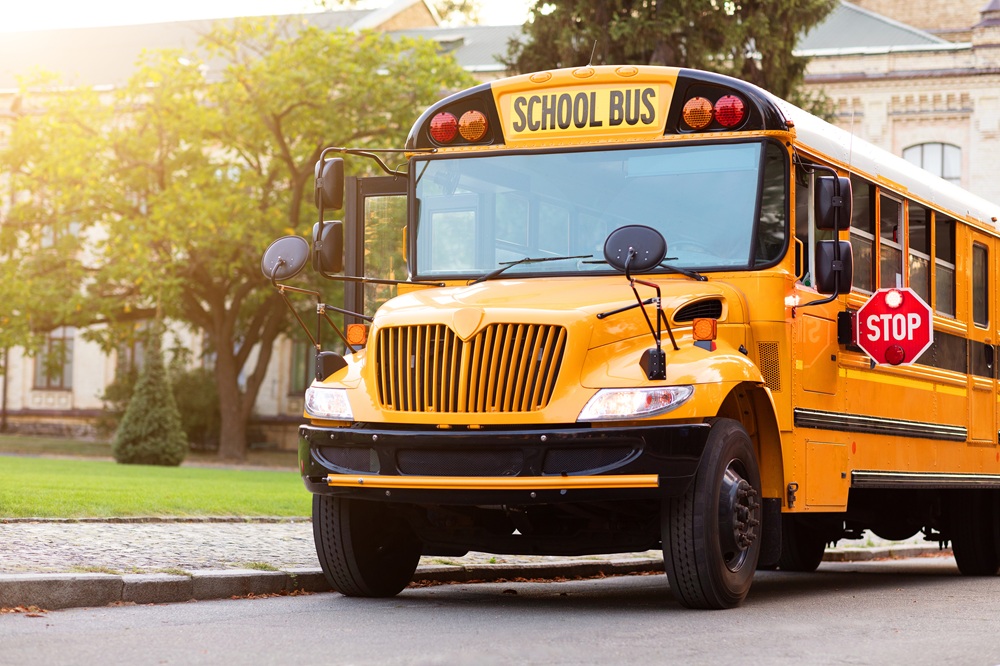
A school bus stop feels ordinary until it isn’t. One driver goes around the bus. A child steps into the road. A parent standing near the curb watches it happen, and a normal Tuesday morning turns into a school bus accident no one prepared for.
If your family has been through a school bus accident in New Jersey, the first thing to do is get medical attention, even if the injury seems small. After that, document everything you can: names, photos, the time, the location. Families dealing with car accident injuries in New Jersey often learn the hard way that small details from the first few hours carry a lot of weight later on. Bus cases work the same way, except more people tend to get pulled in.
Most families assume the driver who ran the stop arm is at fault and that the story ends there. Sometimes it does. But the bus company, the school district, and even another driver nearby can all play a part.
What New Jersey Law Says About School Bus Stops
The most dangerous moment in a bus ride is not the drive. It is the seconds when kids are stepping on or off, crossing in front of the bus, or standing near traffic while a parent tries to keep things orderly.
Under N.J.S.A. 39:4-128.1, New Jersey requires any driver approaching a stopped school bus with flashing red lights to stop at least 25 feet away. On a roadway with a raised median, safety island, or other physical barrier dividing the lanes, drivers traveling in the opposite direction do not have to stop fully but still need to slow to 10 miles per hour. There is also a specific exception near schools: if a bus stops directly in front of a school building, drivers on either side may pass at no more than 10 mph.
Those rules exist because kids are unpredictable near traffic, and the window to react is almost nothing.
Who Can Be Held Liable After a School Bus Accident
Most people point to the driver who passed the bus. If that driver ignored flashing red lights, blew through the stop arm, or drove too fast near a pickup zone, that is usually the starting point. But liability in these cases can reach further.
The bus driver is not always part of the case, but worth looking at. The bus may have stopped in a dangerous spot, signaled late, or released kids before the area around the stop was clear. The school district or bus company can also be pulled in. Some buses are district-owned and some are run by private contractors. If the problem traces back to poor driver training, bad route planning, or a vehicle that should not have been on the road, the claim can extend past the individual driver. Proving that usually requires showing evidence of negligence tied to hiring, maintenance, or safety procedures.
A second car sometimes blocks visibility, pushes traffic around the bus, or triggers a chain reaction. When that happens, figuring out fault gets harder, and the physical evidence from the scene matters even more.
When Someone Near the Bus Gets Hurt
An incident involving a school bus does not always look like a two-car crash. The injured person might not be inside a vehicle at all. It could be a child crossing the road, a parent waiting at the corner, or a school aide helping kids get off the bus.
A young child may miss school, lose sleep, and struggle with things they used to do without thinking. A parent may get hurt while standing in the exact spot they always stand. Catastrophic injuries like these affect the whole family, and the impact on daily life can stretch out for months.
Things can start moving before the family is ready. Insurance carriers reach out early. The school or its contractor may launch an internal review. If injuries are serious, the legal process does not wait for anyone to feel ready.
What to Do Right After a School Bus Accident
Nobody thinks clearly in the first few hours. Your child is scared. You are angry. Everyone wants answers. But a few early steps can make a real difference later.
Get medical care right away, even if the injury looks minor. Kids can seem fine in the moment and show pain or behavioral changes a day or two later. That gap between the accident and a doctor’s visit gives the other side something to point to if a claim comes later.
While everything is still fresh, write down the exact time, location, and what you saw. Save names and phone numbers of anyone who was there. Take photos of the bus position, the stop arm, the road, and the area around the scene. Ask whether the bus had onboard cameras, and check whether any nearby homes or businesses have security footage.
That footage matters more than most families realize. Bus cameras and nearby surveillance video can settle questions about timing, position, and who was where. But most systems only store footage for a short window, and if nobody flags it early, the system may record over it before anyone gets a chance to save it.
One more thing worth knowing: your child is not the only person who may have a claim. School aides, other bus passengers, and adults standing at the stop may have legal rights as passengers or bystanders in a vehicle accident in New Jersey.
The Evidence That Matters Most
Details that feel small in the moment can carry real weight later, and in a school bus accident they often decide the outcome. A driver may say the lights were not flashing yet. A witness may remember the stop arm being out. A camera might show exactly when a child stepped off the curb.
What tends to carry the most weight: the police report and witness contact information, bus camera footage or nearby surveillance video, photos of the bus position and road layout, and medical records that connect the injury to the accident.
Medical records are especially important. They connect the injury to the event and show how serious the harm was from the start. New Jersey puts heavy emphasis on school bus enforcement and the danger zones around loading and unloading, so bus cameras or nearby surveillance footage may exist even if no one mentions it right away. The key is requesting it quickly, before the system overwrites it.
If you or your child suffered back or spine injuries in the accident, early imaging and documentation of the injury become even more critical for building a case.
How New Jersey School Bus Laws Apply in Court
New Jersey’s school bus laws do more than tell drivers what they should have done. In court, they help establish the duty someone owed in that moment and whether they broke it.
If N.J.S.A. 39:4-128.1 required a driver to stop 25 feet from a flashing school bus and that driver kept going, that is not just a traffic ticket. It is evidence of a legal duty, a violation of that duty, and a potential cause of injury. To succeed on a negligence claim, the injured person still needs to prove that the violation actually caused the harm and that real, measurable damages resulted from it.
Claims Against School Districts vs. Private Bus Companies
If a public school district is involved, different rules apply than if the claim were against a private company or an individual driver.
New Jersey’s Tort Claims Act governs lawsuits against government entities, including public school districts and their employees. Under N.J.S.A. 59:8-8, families generally have 90 days from the date of the accident to file a formal notice of claim with the relevant public entity. Miss that deadline and the court may shut the door before the case even starts. The notice generally goes to the public entity involved, but the exact filing requirements depend on whether the claim targets a state agency, a local school district, or another public body.
If a private contractor ran the bus, the timeline and rules shift. Claims against private parties typically follow New Jersey’s two-year statute of limitations for personal injury. The contractor’s insurance, driver training records, and vehicle maintenance logs may all become part of the case. One of the first things to figure out is whether the district or a private company ran the bus, because that controls the deadlines and the legal path forward.
FAQ
What should I do first after a school bus accident in New Jersey? Get medical care, even if no one looks seriously hurt. Then document everything: the time, the location, what the scene looked like, and who was there. Ask about bus cameras and nearby surveillance footage before it disappears.
Can more than one party be liable for a school bus accident? Yes. The driver who passed the bus is usually the starting point, but the bus driver, the school district, the bus company, and even another motorist may share responsibility depending on the facts.
Do passengers on the bus have legal rights? Yes. If a child, aide, or other passenger got hurt on the bus, they can pursue a claim even though they did not cause the accident.
How long do I have to file a claim after a school bus accident in New Jersey? That depends on who the claim is against. If a public school district is involved, you typically need to file a notice of claim within 90 days under N.J.S.A. 59:8-8. Claims against private parties generally follow New Jersey’s two-year personal injury statute of limitations. Talk to a lawyer early so you do not miss a deadline that could close the door on your case.
Can a family bring a claim if a child got hurt near the bus but not on it? Yes. If a child was crossing the street, standing at the stop, or walking near the bus and was hurt because of someone’s negligence, the family may be able to pursue compensation. These cases sometimes carry additional complexity around visibility, supervision, and whether the school followed proper release procedures.
Before You Do Anything Else
A school bus accident can involve more parties, more rules, and tighter deadlines than most families expect. New Jersey law under N.J.S.A. 39:4-128.1 is strict about what drivers must do when a school bus stops, and when someone breaks those rules and a child gets hurt, the consequences go well beyond a traffic ticket. Families who act quickly, get medical care, document the scene, and preserve evidence put themselves in a stronger position. If a school district is involved, the 90-day notice of claim deadline under N.J.S.A. 59:8-8 is one that families cannot afford to overlook.