
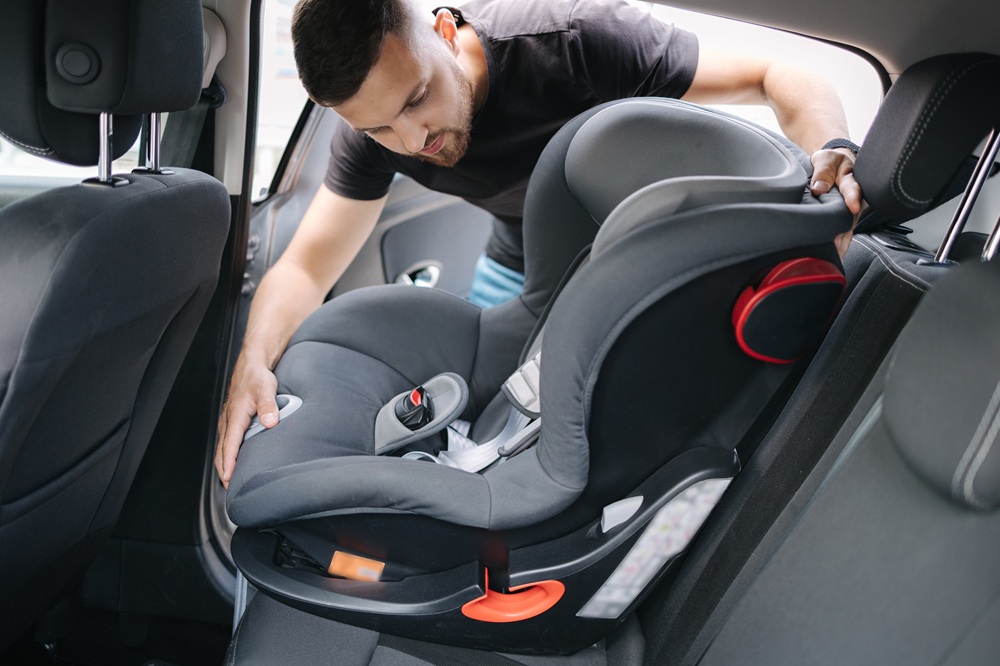
Buying a car seat can make even a calm parent second-guess everything. NJ car seat laws add another layer on top of that, and most parents do not realize how much those rules shape which seat actually works. One seat has great reviews. Another came from a cousin and looks barely used. A third costs twice as much and promises features you are not sure you need.
Before you buy a new seat or put an older one back in the car, check fit, age, and crash history. Great reviews do not mean much if the seat is expired, recalled, or the wrong fit for your child. Most parents do not need the fanciest model. They need the one that fits the kid, fits the car, and does not turn every school run into a struggle.
What Ratings Can and Cannot Tell You
Parents often treat a high rating like a final answer. More stars, better seat, done. But it does not work that way.
A strong rating can point you toward a seat that installs more easily or buckles more cleanly. That counts. Still, it cannot tell you whether the seat fits behind the driver in your car. It also cannot confirm whether the harness works for your child’s build. And it will not flag a seat that has been sitting in a hot garage for three years.
Price throws people off too. A more expensive seat is not always a safer seat. Ratings help you narrow things down, but they are no substitute for reading labels, testing the fit in your own car, and knowing what NJ car seat laws actually require.
Pick the Seat That Fits Your Child Right Now
The right seat starts with your child’s current height and weight. Not with what they want, not with what a friend’s kid uses, and not with what looks like the next step.
Rear-facing, forward-facing, and booster seats each cover a different stage. Moving up too early is one of the easiest mistakes parents make. So go by the seat’s limits, not by guesswork. A child who still fits safely in the current seat does not need to move up just because a birthday passed.
Your car changes the answer too. A seat that works perfectly in a large SUV may sit at an awkward angle in a compact sedan. Even if a seat looks easy in a video, it can feel completely different once you are leaning into your own back seat in a parking lot. That is why testing in your actual vehicle matters more than any review.
What NJ Car Seat Laws Actually Require
The law tells you the minimum. It does not tell you what is actually best for your kid. But understanding what NJ car seat laws require gives you a clearer starting point than guessing.
Under N.J.S.A. 39:3-76.2a, as outlined by the NJ Office of Attorney General, the requirements turn on age, height, and weight together. Children under 2 and under 30 pounds ride rear-facing in a five-point harness. Those under 4 and under 40 pounds stay rear-facing until that seat’s limit, then move to a forward-facing harness. Children under 8 and under 57 inches stay in a forward-facing harness until they outgrow it, then move to a belt-positioning booster in the rear seat.
The key idea is simple. You do not move up just because your child hits a birthday or a weight number. You move up when the current seat no longer fits safely. Families who want a closer look at child passenger safety requirements in New Jersey can find a detailed breakdown of each stage there.
What NJ Car Seat Laws Do Not Cover About Used Seats
Hand-me-down seats save money, but only when the history is clear. If the seat came from a close family member who knows its full background, you have a reasonable starting point. If it came from a yard sale or a thrift shop, that is a different situation.
Check three things first: the manufacture date on the label, the model number and recall history, and whether anyone can confirm the seat was never in a crash. If the label is gone, do not guess. Missing instructions? Track them down before the seat goes in the car. Because a good rating does not erase an expired shell, missing parts, or an unknown history.
The Install Can Make or Break a Good Seat
According to the National Highway Traffic Safety Administration, nearly 59% of car seats are not installed correctly. A seat can look perfect in reviews and still feel wrong in your vehicle. Some take up too much front-to-back space. Others sit at an angle that does not work in a smaller back seat.
Try to picture daily use, not just the first setup. Can you tighten the harness without a fight? Is it easy to get your child in and out without twisting sideways? If another caregiver needs to use the seat, can they do it the same way without a tutorial? The best seat is the one that fits well, buckles cleanly, and works the same way every single trip.
After a Crash, Do Not Guess
A seat can look fine after a collision and still need to go. Some manufacturers say replace it after any crash. Others draw narrower lines. Either way, the answer should come from the seat manual and the manufacturer, not from a quick look in the driveway.
Right after a crash, hold on to photos of the seat, the labels, and the car interior around it. Save the model number and manufacture date. Keep medical records if your child needed care afterward. Families dealing with a crash where a child was restrained should also review their rights after a New Jersey vehicle accident, since what you document in the first few days can follow the case for months.
It is also worth knowing the common mistakes after a car accident that hurt your claim, especially if the crash led to medical treatment or a dispute about fault.
Common Questions About NJ Car Seat Laws
Do ratings tell you which seat is safest? Not on their own. They can point you toward a strong option, but the better seat is always the one that fits your child, fits your car, and gets used correctly every time.
Can I use a secondhand car seat? Yes, as long as you know its history. Check the manufacture date, look up recalls by model number, confirm all parts are present, and rule out any crash involvement.
When should my child move to a booster seat? Not just because of age. Check the current seat’s height and weight limits first. If your child still fits safely in a harnessed seat, moving up too early is usually the wrong call.
Do NJ car seat laws apply to used seats? The law focuses on the child’s age, height, and weight, not whether the seat is new or used. But a used seat still needs to meet the same safety standards: not expired, not recalled, and not previously in a crash.
The Check That Takes Five Minutes and Actually Matters
New Jersey’s car seat rules give you a starting point. But they should not be the only thing you check. Fit, recall history, crash history, and ease of daily use all shape whether a seat actually works for your family. The right pick is usually the boring one: fits the child, fits the car, holds up trip after trip.
Sources
N.J.S.A. 39:3-76.2a — Child Passenger Safety Requirements — NJ Office of Attorney General
Car Seats and Booster Seats — National Highway Traffic Safety Administration