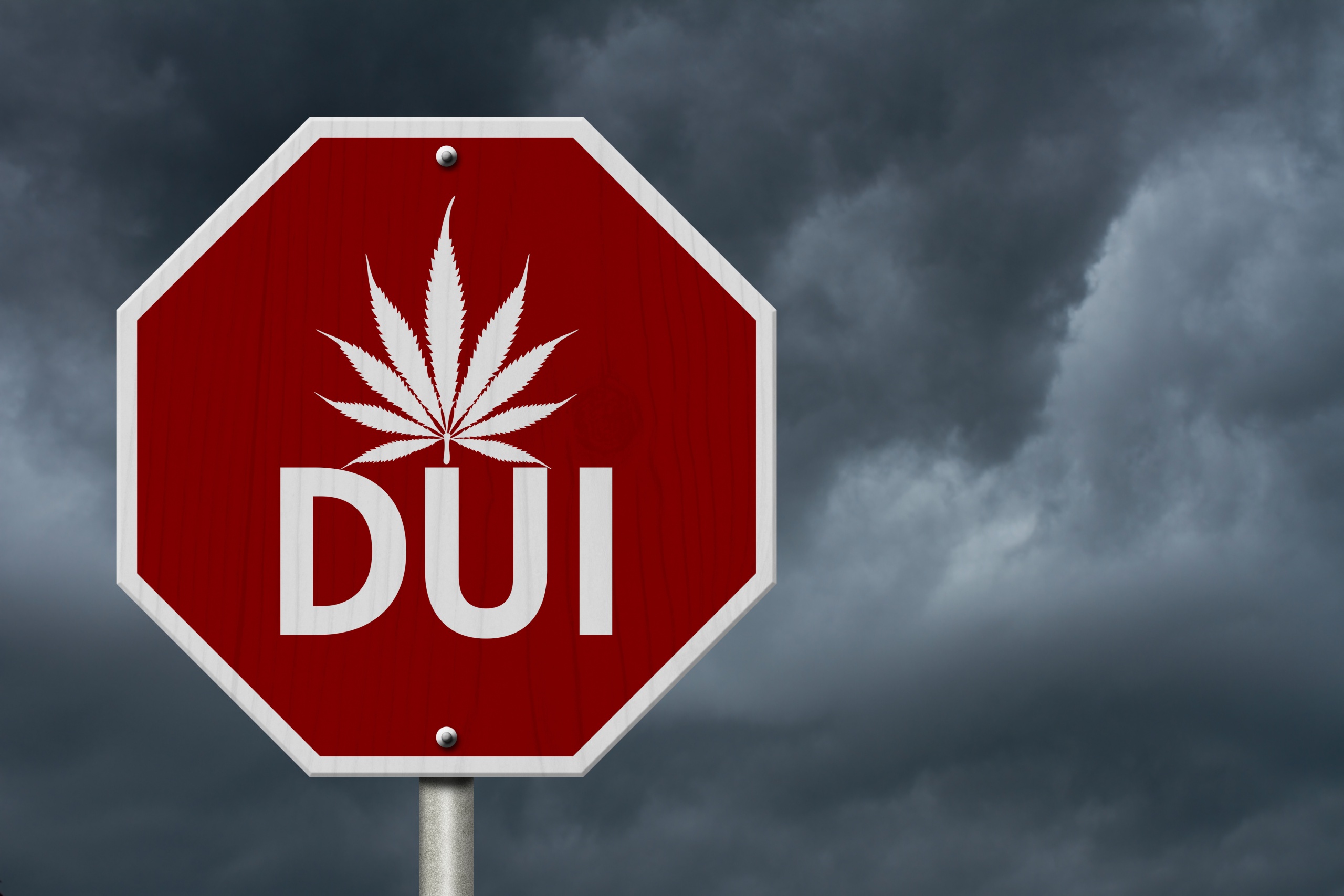
Driving while high is illegal in New Jersey even though cannabis itself is legal to use. Under N.J.S.A. 39:4-50, the same law that covers drunk driving applies to anyone operating a vehicle impaired by any substance. Around 4/20, the cultural message around the holiday blurs a real line. What is legal to use is not the same as what is safe to do while using it. That confusion causes crashes, and the injuries that come from them do not always heal cleanly.
When Cannabis Hides the Impairment
Cannabis slows your reaction time and makes it harder to judge distance. Most drivers do not notice they are drifting or reacting late. By the time they hit the brakes, there is often not enough time.
The National Highway Traffic Safety Administration has documented this: marijuana users consistently underestimate how much the drug affects them. That is a different dynamic from someone who knows they are drunk and gets behind the wheel anyway.
Reaction time and spatial judgment are the first things cannabis affects. They are also the factors behind the most common types of crashes in New Jersey. Rear-ends and intersection collisions happen when a driver cannot respond in time and has no way to stop.
Someone who has been drinking often shows obvious signs: stumbling, slurred speech, visible disorientation. A driver who is high can seem fine by comparison. That is part of why they often do not register it as impairment.
Passengers caught in crashes caused by high drivers are in a different position than the driver. If you were a passenger, your claim runs against the at-fault driver’s insurance. You can pursue that claim even if the driver was a family member or friend. Many people hesitate in that situation, but the claim runs against their insurance, not them personally.
Is Driving While High Illegal in New Jersey?
It is, and the legality of recreational marijuana in New Jersey does not change that. Cannabis has been legal since 2021, but the DUI statute covers any intoxicating substance: alcohol, cannabis, prescription drugs. Cannabis falls under the same law as drunk driving, N.J.S.A. 39:4-50, and there is no separate marijuana DUI charge.
What Police Look For When They Suspect a Driver Is High
Why Roadside Tests Were Not Built for Cannabis
Those roadside tests target the coordination and balance failures that alcohol causes. Horizontal gaze nystagmus, walk-and-turn, and one-leg stand all measure those same physical systems. Cannabis does not disrupt them the same way. It primarily affects attention and time perception. A driver who has used cannabis can still pass those tests. Their road judgment may be off while their coordination looks fine.
New Jersey’s DRE program exists because driving while high often goes undetected by standard field tests. Drug Recognition Experts are officers trained specifically to identify drug impairment. Courts accept their evaluations in both criminal and civil cases.
Why a Positive Blood Test Does Not Prove You Were High
Unlike alcohol, where a 0.08% BAC creates a clear legal limit, New Jersey has no per se THC threshold. A blood test showing THC does not prove impairment on its own. THC stays in the bloodstream for days after any impairment has worn off.
With no blood number that settles it, both prosecutors and civil plaintiffs build from the same sources. Those include officer observations, DRE evaluation, physical evidence, and witness accounts. Anything from the scene that documents the driver’s condition at the time of the crash counts.
What Driving While High Costs You in New Jersey
A first offense carries fines from $250 to $400, up to 30 days in jail, and a seven-month license suspension. Possible ignition interlock requirements and mandatory enrollment in an Intoxicated Driver Resource Center program also apply. A second offense brings a two-year license suspension and significantly higher fines. A third means a 10-year suspension.
A conviction follows you off the road. Background checks flag it. Insurance premiums can rise substantially. Certain professional licenses are also at risk, among them nursing, commercial driving, and law. If a high driver caused your accident in NJ, what you recover is a separate question. It runs through the at-fault driver’s liability, not your own insurance.
If you were hurt in a serious car accident in NJ caused by someone who was high, an attorney can walk you through what your claim is actually worth and what evidence you need to build it.
Your Rights After a Crash Caused by a High Driver
What It Takes to Prove the Driver Was High
A personal injury claim does not require a criminal conviction. You need evidence of impairment at the time of the crash, not proof beyond a reasonable doubt.
Start with the police report, specifically any notes officers made about the driver’s condition at the scene. Add DRE testimony if officers called one to the scene, blood test results, witness statements, and dashcam footage. Physical evidence like cannabis found in the vehicle also counts.
When an impaired driver cannot react in time to brake, the collision happens at whatever speed they were traveling. Traumatic brain injuries appear in these cases at higher rates than in ordinary collisions for exactly that reason.
A punitive damages claim may also apply. That depends on whether the driver knew they had used cannabis and drove anyway. Punitive damages go beyond covering actual losses. They exist to penalize drivers who knowingly put other people at risk. Driving after using marijuana and causing a crash can qualify.
When officer notes, a DRE evaluation, or physical evidence document the driver’s condition, cases tend to produce higher settlements than those where the defense disputes impairment.
FAQ About Driving While High
Can you drive after smoking weed in New Jersey?
In New Jersey, marijuana is legal to use. Driving after using it is still illegal if you are impaired. The DUI statute covers cannabis the same as alcohol.
How long should you wait before driving after using marijuana?
There is no fixed number. THC affects people differently based on tolerance, dose, and how it was consumed. Most guidance suggests waiting several hours at minimum, but impairment can stretch further than users expect.
Is driving while high the same as drunk driving in NJ?
Under New Jersey law, yes. The penalties and legal process are identical. Enforcement works differently. There is no per se THC limit the way alcohol has its 0.08% BAC standard. The statute still treats both the same way.
What happens if a high driver caused my accident?
A civil claim does not require an arrest or a charge. Evidence of impairment at the time of the crash builds the claim. That evidence can come from multiple sources.
Can you get a DUI from CBD or medical marijuana in NJ?
CBD at standard doses is unlikely to cause impairment. Medical marijuana can. Having a valid medical marijuana card does not exempt anyone from the DUI law if they are driving impaired.
What Most People Get Wrong After These Crashes
Marijuana being legal in New Jersey does not make driving while high any less of a legal risk. If a high driver hit you, you have legal options. How well those options hold up usually comes down to what got documented right after the crash. The assumption that it is just weed costs people. It is part of why these cases often turn on evidence that nobody thought to save.
Sources:
- New Jersey Statutes Annotated, N.J.S.A. 39:4-50
- National Highway Traffic Safety Administration, Drug-Impaired Driving
- New Jersey Motor Vehicle Commission, DWI Penalties and IDRC Requirements
- New Jersey Attorney General’s Office, Drug Recognition Expert Program
- Journal of Studies on Alcohol and Drugs, Cannabis and Driving Impairment Research