
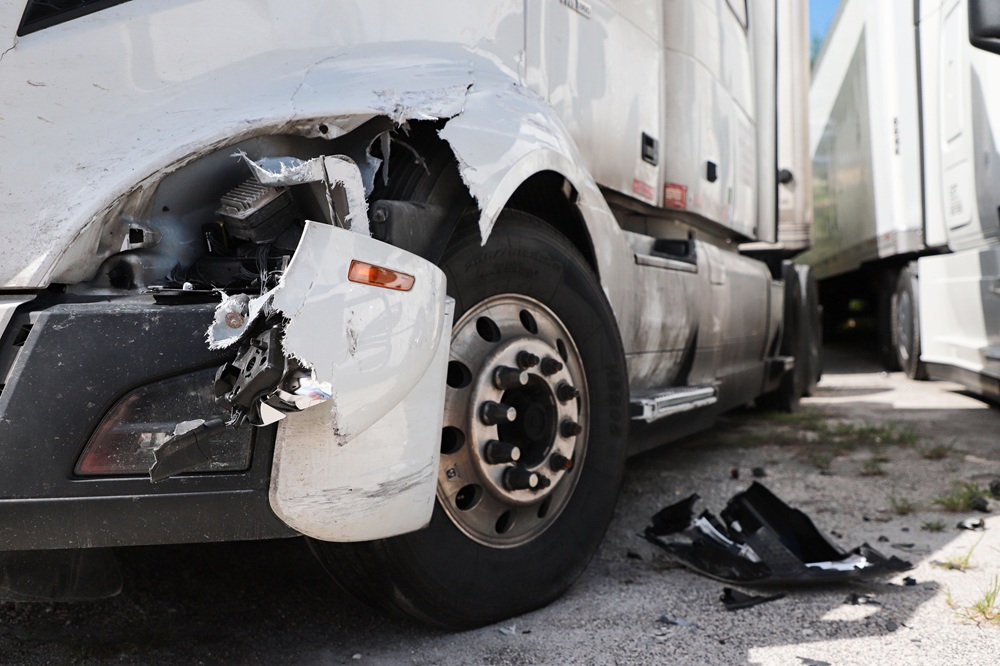
Every driver in New Jersey carries no-fault insurance, whether they think about it or not. It pays your medical bills after a crash before anyone argues about fault. In May 2026, the New Jersey Supreme Court changed what counts against that coverage. If you have an injury claim still open, keep reading because this ruling affects you directly.
Who Pays First After a New Jersey Crash
New Jersey requires every driver to have insurance, and every auto policy to include Personal Injury Protection, or PIP. If you own the vehicle you were riding in, your own PIP pays first, regardless of who caused the crash.
Claims against the other driver only come into play after that coverage runs out. That payment order is the basic reason New Jersey is considered a no-fault insurance state.
Passengers without their own policy usually fall back to a household member’s coverage. When two or three injured people share one policy after a crash, the payout gets split between them. It always helps to know when that math might be getting involved before filing any claims.
This protection can still matter when the driver who caused the crash turns out to carry no insurance at all. PIP responds to your own coverage, not theirs. Once your PIP limit runs out, the difference between an insured and uninsured at-fault driver becomes much more important.
What Your PIP Coverage Can Actually Pay
Medical Treatment Under NJ’s Auto Fee Schedule
New Jersey caps what providers can charge for auto-related treatment through a state fee schedule. The cap keeps costs more predictable.
A bill that looks fair to a patient can still get trimmed once the schedule applies. The standard PIP limit is $250,000 per person, per accident. Drivers can pick a lower amount to pay a smaller premium.
Wage Loss, Essential Services, and Funeral Benefits
Beyond medical care, PIP replaces part of your lost income if a crash keeps you from working. It also pays for essential services, like hiring help for household tasks you can no longer handle. Funeral and survivor benefits apply when a crash proves fatal.
Why Future Treatment Costs Now Matter Before the Bill Exists
For decades, New Jersey law has kept PIP-covered expenses out of a jury’s view. If your own insurer already pays for something, you should not collect the same loss again from the other driver.
One question stayed open for years: what happens to a projected medical cost when the treatment has not happened yet and no bill exists?
What Murray v. Punina Decided
In Lakita D. Murray v. Christopher B. Punina, the plaintiff sought damages for a future medical procedure. Her doctor recommended a scar revision surgery after the crash, but she hadn’t yet gone through with the surgery. Her attorney argued the projected cost belonged in front of the jury because no bill existed yet.
The NJ Supreme Court disagreed. On May 6, 2026, it ruled that future costs still inside a claimant’s PIP limit count as “collectible.” Under N.J.S.A. 39:6A-12, that makes them inadmissible at trial whether the treatment has happened yet or not. The ruling affirmed an earlier Appellate Division decision in the same case.
Murray’s scar-revision dispute also shows why projected treatment needs a solid medical record. In a case involving a recommended future procedure, getting a second opinion on that recommendation can clarify whether the treatment is still considered necessary and why. A written second opinion gives the attorney another medical assessment to work with when evaluating future care.
The $15,000 vs. $250,000 PIP Choice Matters More After Murray
The practical effect of Murray changes depending on how much PIP coverage remains.
New Jersey’ state minimum is $15,000, which isn’t really a lot of money when surgery, imaging, physical therapy and other medical expenses are involved. A driver who selects that minimum will burn through it quickly. Once the limit runs out, the remaining bills stay unpaid by PIP and can then be pursued from the at-fault driver.
A driver who picked the full $250,000 limit faces a different issue. More treatment can remain inside available PIP for longer. Under Murray, that keeps more projected medical expense out of the jury’s view while the coverage is still available.
Either way, the steps you take in the days right after a crash can affect how the claim develops later. Good records make it easier to separate what PIP covered from what it did not.
When a Serious Injury Claim Moves Beyond PIP
PIP does not cover every part of a serious injury. New Jersey lets drivers choose between two options when they buy coverage. One is a limitation on lawsuit option. The other is a zero threshold option.
Under the limitation option, suing the at-fault driver for pain and suffering requires proof of a serious injury. That can include a permanent injury, a significant disfigurement, or a displaced fracture.
Meeting that threshold is both a medical and legal question. That is why an experienced car accident lawyer may become involved before a claim is finalized. Waiting until an insurer has already denied additional compensation can make the injury threshold harder to prove.
Proving a permanent injury or significant disfigurement also leans more on expert medical testimony than it once did. New Jersey courts have tightened how they weigh that testimony in recent years. A claim built on a treating doctor’s notes alone can fall short of what the threshold now expects.
What Happens When the PIP Insurer Pushes Back
PIP is supposed to pay on its own, but insurers don’t always cooperate.
They’re in this game to make money and will try to pay out as little as possible. One of the main ways they try to limit payouts is by disputing whether treatments were medically necessary. Other problems come from delays tied to the fee schedule or denials based on missing paperwork.
New Jersey lets PIP disputes go through arbitration instead of a full lawsuit. That can move faster, but it still requires a real record behind the claim. An insurer that drags out a decision is often betting the claimant will not push back.
Accident lawyers who deal with these delay tactics daily know which levers can move a stalled file. Pushing back here can matter more than sending another form or letter and hoping the insurer changes course.
New Jersey No-Fault Insurance FAQs
Does PIP cover a passenger riding in someone else’s car?
Yes. A passenger without their own policy will usually look to the applicable auto or household coverage for PIP benefits.
What happens once my medical bills go past my PIP limit?
Once the selected PIP limit is exhausted, the remaining medical expenses no longer fall inside available PIP. Under Murray, that difference matters because expenses outside the remaining coverage are treated differently from costs that are still collectible through PIP.
Those remaining expenses may then become part of the claim against the at-fault driver, subject to the policy and injury threshold that applies.
Does the Murray ruling stop me from suing after a car accident?
No. Murray addresses what a jury can hear about medical costs that remain collectible under PIP. It does not eliminate a claim for uncompensated expenses, qualifying lost income, or pain and suffering when those damages are otherwise available.
What Murray Leaves Untouched
Murray controls one narrow part of a New Jersey injury claim: what medical costs can be put in front of a jury while PIP coverage is still available.
It did not erase the rest of the claim. Uncompensated medical bills, lost income beyond PIP’s replacement rate, and pain and suffering can still matter depending on the policy and injury threshold involved.
For someone with an open claim, the practical question is where each projected cost falls in relation to the remaining PIP coverage. That is the point worth reviewing with an attorney before settlement numbers or trial strategy are set.
Sources
N.J.S.A. 39:6A-12: Inadmissibility of Evidence of Losses Collectible Under PIP Coverage
Insurance Journal: NJ High Court Blocks Double Recovery of Future PIP Medical Benefits