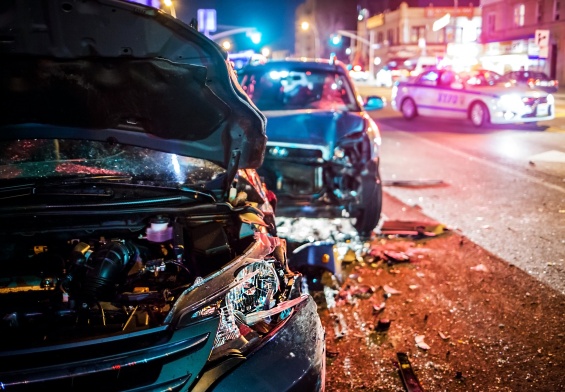
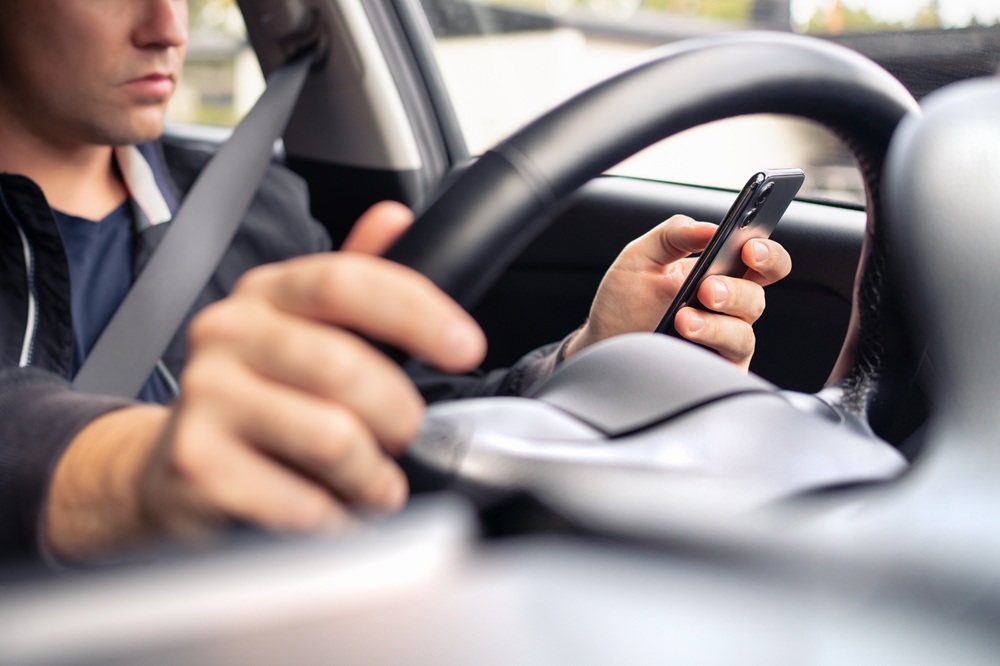
A rideshare accident in New Jersey raises insurance questions a standard car crash never does. Those questions have one answer: what the driver was doing in the app when the crash happened. Getting that wrong early means fighting over the wrong policy for months.
Why Rideshare Accidents Are More Complicated Than Regular Crashes
When a rideshare driver hits you or causes a crash, you are not dealing with one insurance policy. You could face three: the driver’s personal policy, Uber or Lyft’s corporate coverage, and your own PIP. Which one pays depends on what the driver was doing in the app at the time of impact.
In a standard crash, you know whose insurance covers you. Your rights as a passenger in New Jersey make it so that you’re against one driver and one policy. In a rideshare crash, you have to figure out which coverage period applies. That can tell you who to file against.
What to Do at the Scene of a Rideshare Accident
If You Were a Passenger
Before anyone ends the trip, screenshot it in the Uber or Lyft app. That screenshot shows the trip ID, the driver’s name, and the timestamp. It proves the ride was active and which insurance tier applies. Once the trip closes, getting those records requires going through the company’s legal process.
Document as much as you can before leaving the scene:
- Call 911 and get a police report, even for minor-seeming crashes. No police report means no official records of what happened and when.
- Photograph the vehicles, your injuries, and the scene.
- Get the driver’s name, license plate, and insurance card.
- Report the crash through the app right away. This creates a timestamped record on Uber or Lyft’s end.
- Do not give a recorded statement to any adjuster. Talk to a car accident lawyer in NJ first.
If You Were in Another Vehicle
Ask the rideshare driver directly whether the app was on and whether they had an active fare. Then treat it like any crash: exchange information, wait for police, document everything. Do not assume the driver’s personal auto insurance applies. Many personal policies name rideshare driving as an exclusion.
How Uber and Lyft’s Insurance Coverage Actually Works
Uber and Lyft divide driver activity into three coverage periods. The period that applied at the time of the crash determines who you file against. It also sets the coverage limits you can reach.
Period 1: App on, no ride accepted. During Period 1, Uber and Lyft carry contingent liability coverage. That is $50,000 per person, $100,000 per accident, and $25,000 for property damage. The word “contingent” is the issue. This coverage only kicks in if the driver’s personal insurer denies the claim. Most personal auto policies exclude commercial activity. So the driver’s insurer denies the claim first, then the filing moves to Uber or Lyft.
Period 2: Ride accepted, en route to pickup. The driver has accepted a trip and is heading to the pickup. Uber and Lyft’s $1 million policy is active. Uninsured and underinsured motorist coverage also applies.
Period 3: Passenger in the vehicle. The same $1 million policy. If the driver has collision coverage on their personal policy, Uber and Lyft’s contingent collision coverage may apply too.
Who Is Liable After a Rideshare Accident in New Jersey?
If the rideshare driver caused the crash during Period 1, start with the driver’s personal insurer. If the driver’s insurer denies the claim, you then file against Uber or Lyft’s contingent policy. During Periods 2 and 3, the $1 million policy is the primary coverage.
Sometimes another driver causes the crash while you ride. In that case, the claim goes against their liability insurance. If the other driver has no insurance or too little, Uber or Lyft’s UM/UIM coverage steps in. This only applies during Periods 2 and 3.
Uber and Lyft both classify their drivers as contractors, not employees. New Jersey courts have tested that label. It does not hold up as an automatic defense. Uber and Lyft dispatch the drivers and control how rides work. That still creates legal exposure of their own. What the companies call their drivers does not change that.
Your own policy does not pay, whether the driver is a rideshare driver or anyone else. In either case, the claim runs against the at-fault driver’s insurance, not yours.
How NJ’s No-Fault Rules Apply to Rideshare Crashes
New Jersey is a no-fault state. Your own PIP coverage pays your medical expenses first. Still, fault does not change that. For rideshare passengers, your own auto insurance PIP applies even though you were not driving.
No auto insurance of your own? Uber or Lyft’s PIP coverage may step in. The claim process through those companies differs from filing with your own insurer.
PIP covers medical bills and a portion of lost wages. It does not cover pain and suffering. To sue for pain and suffering in New Jersey, your injuries must meet the verbal threshold. They need to be permanent or greatly limit what you can do. Traumatic brain injuries and spinal injuries usually meet that standard. Soft tissue injuries without documented permanent effect often do not.
What a Rideshare Accident Claim Involves
A rideshare accident claim involves more moving parts than a standard car accident claim. You may face three different insurers at once, each responding to different conditions.
The first step is confirming which coverage period applies. You get those records from the app directly. In a lawsuit, you get them through discovery. It tells you which insurer to go after and how much coverage they carry.
Start with a PIP claim to your own insurer. Then file a claim against the at-fault party or the right Uber or Lyft policy. If the at-fault driver had too little coverage, a separate underinsured motorist claim may also apply.
Cases with solid app records and documented injuries usually settle faster and for more in NJ. When either is in dispute, cases take longer and often recover less.
FAQ About Rideshare Accidents in New Jersey
Can I sue Uber or Lyft directly after an accident?
You can bring a claim against Uber or Lyft’s insurance policy during Periods 2 and 3. Suing the company directly as an employer is a separate question. It depends on the driver’s role at the time of the crash. New Jersey courts have addressed this question in multiple cases.
What if the driver did not have the app on when the crash happened?
If the app was off, only the driver’s personal auto insurance applies. Uber and Lyft have no exposure during Period 0.
Does NJ no-fault insurance apply to rideshare passengers?
Yes. Your own PIP coverage applies first regardless of fault. If you have no auto insurance, you may be able to get PIP through the rideshare company’s policy.
What if another driver caused my crash while I was a rideshare passenger?
The claim goes against the other driver’s liability insurance. If that driver has no insurance or too little, Uber and Lyft UM/UIM coverage applies during Periods 2 and 3.
How long do I have to file a rideshare accident claim in NJ?
In New Jersey, you have two years from the accident date to file a personal injury claim.
What if I was a pedestrian hit by a rideshare driver?
The coverage period at the time of impact determines which policy applies. During Periods 2 and 3, the $1 million coverage is available.
What Most Passengers Never Think to Do
Most passengers focus on their injuries and miss the trip record. By the time they think about it, the driver has ended the trip and the app has moved on. Getting those records later means contacting the company or going through legal channels. That takes weeks and gives the insurer room to dispute the coverage period. So screenshot it before you leave the vehicle. The trip details, the timestamp, and the driver’s name.They are much harder to obtain once you leave.
Sources: