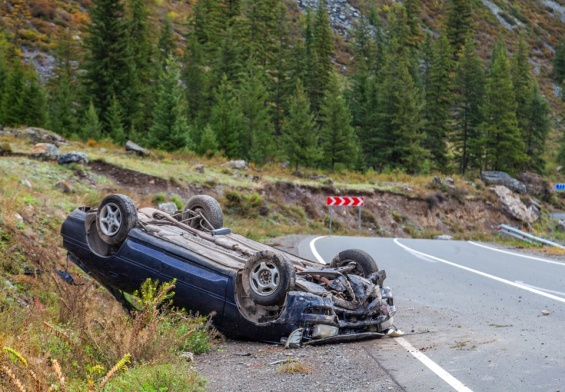

A family flies into Newark, grabs a minivan, and gets rear-ended on Route 1 before reaching the hotel. Nobody plans for that on day one of a trip. Now two insurers and the agency that owns the van all want a statement. A rental car accident raises questions a normal crash doesn’t, starting with who pays first. New Jersey law settles some of them, and the contract signed at the counter covers the rest.
Whose Policy Pays First After a Rental Car Accident in New Jersey
Drivers with their own New Jersey auto policy usually bring that cover with them into a rented vehicle. State law also makes every car rental business insure its fleet for renters who hurt someone. That backup plan may only reach the legal floor, though. Even New Jersey’s 2026 minimum insurance limits leave a badly injured person short in many crashes. Two policies can end up sharing one claim.
A Cherry Hill renter turned down the extra cover at the counter, then caused a crash on the Atlantic City Expressway. In Robinson v. Coia, New Jersey’s highest court sorted out who paid. His personal insurer and the rental agreement each claimed to pay second. Justices made them share the bill equally instead.
Buying that add-on would have flipped the order. Under the company’s own terms, its cover would then have been primary, with limits of $1 million. Declining it meant the renter’s personal carrier shared the very first dollar of every claim. Many renters never read that clause before signing.
Drivers with no car of their own face a different setup. Without a personal policy behind them, the fleet’s required plan may be the only liability cover in place. The counter add-ons make the most sense for that group. They add a daily fee to the bill.
When a Rental Car Accident Is Someone Else’s Fault
Getting hit by a driver in a rented car works much like any crash, with one twist. A federal law called the Graves Amendment bars suits against a rental business just because it owns the vehicle. Claims target the person behind the wheel instead. That driver’s own policy and the fleet protection pay them.
Businesses can still answer for their own mistakes in a rental car accident. Renting out a vehicle with bald tires, worn brakes, or an open safety recall can support a separate claim. Some of those cases run alongside product liability suits against the maker. Repair logs from the branch can become key proof.
A renter who drifts across lanes on the Garden State Parkway and sideswipes a commuter is personally responsible. That claim draws on the renter’s insurer and the fleet plan together. If the total still falls short, the commuter’s own underinsured benefits come next.
Visitors from other states sometimes rent with thin plans or none. Once the at-fault renter’s limits run dry, the injured person’s own plan may step in. That help comes through cover for an uninsured driver in an NJ accident, which also applies when the renter had no valid policy. Checking every source of payment before a claim stalls can save months.
Injuries Inside the Rental Car
Treatment costs for people inside the rental follow New Jersey’s no-fault rules. A driver with their own New Jersey policy generally turns first to its personal injury protection. The basics of who pays for medical bills after a car accident stay the same when the vehicle belongs to someone else. Anything above those limits moves into the claim against whoever caused the crash.
Passengers without car insurance may draw from a relative’s policy at home or from the car’s coverage. Out-of-state renters add another wrinkle. Many insurers licensed here must pay New Jersey benefits for crashes in the state. That rule applies even when an agent wrote the contract in Ohio or Florida.
Pain and suffering claims still depend on fault and on the lawsuit option tied to whichever plan applies. Sorting that out can take weeks when three insurers point at each other. A written log of every call, with dates and the adjuster on each one, keeps the dispute from stalling. That record also helps if the case goes to court.
New Jersey has a separate law on child seats in rental vehicles. A booster that was missing parts or set up wrong at the branch can point blame at the company. Parents who bring their own seat avoid that question entirely.
What the Coverage at the Rental Counter Buys
Each add-on at the counter protects against a different risk, and none is complete alone. A collision or loss damage waiver releases the renter from paying to fix the rental itself. It does nothing for injuries or for harm to other drivers. Few renters need every option.
Extra liability cover raises the limits for harm to other people. Personal accident insurance pays modest medical and death benefits for the renter and passengers. A health plan may already handle much of that. Credit card perks usually pay for repairs to the rental alone, so they rarely help with injury claims.
A renter who already owns a well-insured car may need only the waiver, or nothing at all. Someone without personal insurance, or with state-minimum limits, has more reason to buy the liability add-on. Reading the rental section of one’s own policy before the trip takes ten minutes.
A corporate rental program may include its own liability plan. An employee hurt while driving for work may also have workers’ compensation benefits. That cover may sit on top of, or in place of, the employee’s own policy.
Questions About a Rental Car Accident
Can the rental company bill for loss of use after a crash?
Yes. Many contracts allow fees for the days a damaged car sits in the shop, plus office costs. Personal policies and credit cards differ on whether they cover those bills. An itemized invoice with real repair dates helps challenge padded numbers.
What if someone not listed on the contract was driving?
Cover gets harder to sort out but rarely disappears. New Jersey courts have refused to let rental contracts strip state-required insurance from permitted drivers. Renters may still owe the company money under the agreement, though.
Will a crash in a rental raise personal insurance rates?
It can, if the renter was at fault and the personal policy paid part of the claim. A not-at-fault crash usually doesn’t count against a driver’s rating. Insurers set those rules, so the answer differs from one carrier to the next. Some companies also forgive a first accident.
Before Leaving the Rental Lot
Photos taken before driving off, and again at the scene, protect against fights over old dents. Reporting the collision the same day to the police, the branch, and the driver’s own insurer keeps every source of payment available. Anyone hurt in a rental car accident can bring the agreement, the officer’s report, and each insurance card to an injury lawyer in New Jersey. That review shows which carrier should pay first.
Sources
- Legal Information Institute. 49 U.S. Code Section 30106, Rented or Leased Motor Vehicle Safety and Responsibility.
- Supreme Court of New Jersey. Robinson v. Coia, 183 N.J. 25 (2005).