
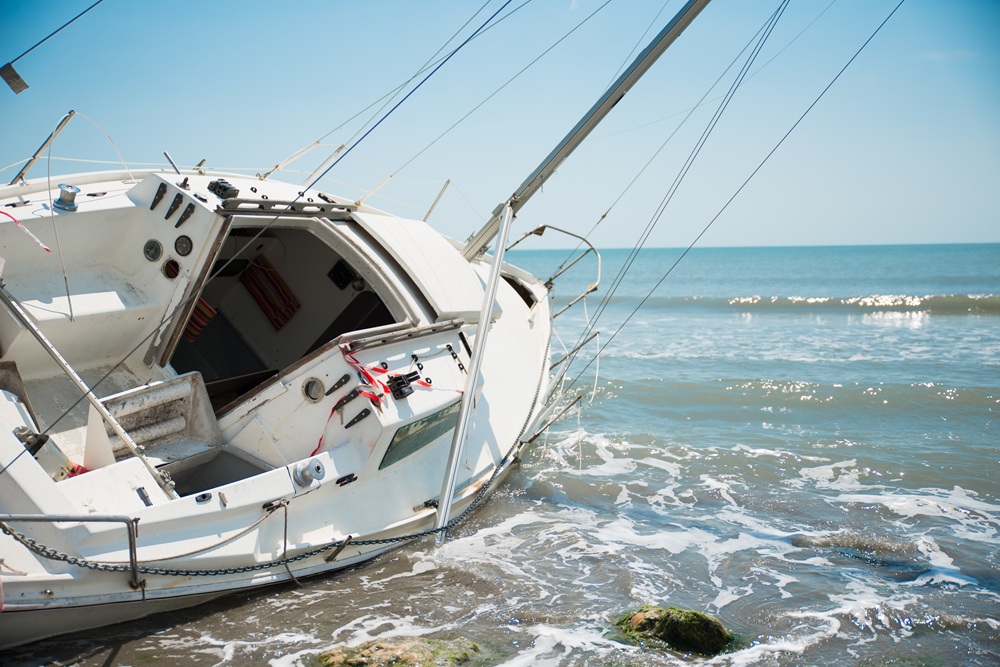
A weekend on the water can turn into a legal problem fast. One rider gets clipped by a jet ski near Barnegat Bay. Another passenger ends up in the hospital after a pontoon boat driver loses control after a few drinks. A third case starts when a rental company hands over a boat with a faulty steering cable. The questions that follow rarely have obvious answers. That is usually when a boating accident lawyer gets the first phone call.
How Boat and Jet Ski Accidents Happen on New Jersey Waterways
New Jersey has more than 200,000 registered boats and personal watercraft on its waters each season. That count comes from the New Jersey State Police Marine Services Bureau. Most trips end without incident, but crowded summer waterways create real risk. Driver inattention, going too fast in no-wake zones, and alcohol use account for a large share of reported accidents.
Jet skis add another layer of risk. They do not handle like a boat, and a new rider on a rented model can lose control in seconds.
Every summer, injured passengers scramble to find the right lawyer after a boating accident. Witnesses scatter fast, and physical evidence disappears just as quickly. Rental companies rarely keep damaged equipment intact once a season ends. Early action often decides whether the evidence can still prove a claim months later.
Why an Injured Passenger Might Need a Boating Accident Lawyer
Car accident claims often come down to who ran the red light or who was following too closely. Boating cases are rarely that clean. Both New Jersey law and federal maritime law can apply. Which one controls a claim depends on where the crash happened and what kind of vessel took part.
A boating accident lawyer starts by finding every party who owed a duty of care that day. More than one person or company can share the blame.
When the Boat Driver Is at Fault
New Jersey law treats reckless boat driving as a real offense, not just bad judgment. Driving a boat in a careless or reckless way that puts others at risk breaks state boating law. Driving under the influence also carries separate criminal penalties on top of any civil claim.
Alcohol remains a leading known cause of fatal boating accidents nationwide. It was a factor in roughly one out of every five deaths where a cause was found, according to the Coast Guard’s most recent boating data. When a driver was drinking, going too fast, or not watching the water, that conduct becomes the basis of a negligence claim.
When a Marina, Rental Company, or Boat Maker Shares Blame
Not every case starts and ends with the person steering the boat. A rental company that hands over a jet ski with a stuck throttle can share the blame. So can a marina that fails to mark a shallow channel, or a boat maker that sells one with a broken kill switch. These claims usually involve maintenance records, inspection logs, and prior complaint histories. They often take longer to sort out than a case with one clear driver at fault.
New Jersey’s Comparative Negligence Rule and Your Payout
New Jersey follows a modified comparative negligence rule under N.J.S.A. 2A:15-5.1, often called the 51 percent bar. An injured passenger can still recover damages if their own share of fault stays at 50 percent or below. Recovery still drops by that exact percentage. Someone found 20 percent at fault for skipping a life jacket would see their award cut by that same amount. Cross the 51 percent line, and the law blocks payment in full, even for the worst injuries.
Common Injuries a Boating Accident Lawyer Sees After a Waterway Crash
Boat and jet ski collisions produce injuries that differ from typical car crash trauma. Ejection from a vessel at speed can cause traumatic brain injury or a severed spinal cord. Drowning remains a leading cause of death in boating accidents. Most victims who drown were not wearing a life jacket.
Burns from engine fires, deep cuts from propeller strikes, and broken bones from being thrown against a hull are also common. When a boat accident causes this level of harm, families often need more than a general practice attorney. They are usually better served by a catastrophic injury lawyer in New Jersey. These cases usually involve long-term medical costs and lost future earnings that a smaller claim would not cover.
What Happens When a Boating Accident Is Fatal
Some boating accidents do not end in injury. The Coast Guard’s most recent national data recorded 556 boating deaths in a single year. That is the lowest total in the five decades the agency has tracked this data. Even so, it is still a large number of losses that did not have to happen.
When a fatal boating accident happens, surviving family members often need legal help right away. They can turn to a wrongful death attorney in New Jersey to pursue a claim on the estate’s behalf. These claims cover different damages than an injury claim. They can include funeral costs, lost financial support, and the loss of a spouse’s or parent’s company.
The Statute of Limitations for a New Jersey Boating Accident Claim
Most injury victims get two years from the date of the accident to file suit. This falls under the statute of limitations for personal injury cases in New Jersey. Missing that deadline ends the claim regardless of how strong the evidence once was. Beyond the legal deadline, physical evidence disappears fast on the water. Owners repair damaged hulls, rental companies sell off jet skis, and witnesses who were visiting from out of state go home.
How a Boating Accident Lawyer Builds a Strong Claim
Building a strong claim starts with paperwork that people often miss. Under state law, boat drivers must report accidents to the New Jersey State Police Marine Services Bureau. This rule applies when there is an injury, a death, or more than 2,000 dollars in property damage. That report becomes a key piece of evidence.
A boating accident lawyer usually pulls the marine incident report and tracks down rental or maintenance records. When a lawyer or insurer disputes the cause, a crash expert often gets involved. Injured passengers are often surprised by the role insurance coverage plays in accident recovery, since boat insurance rarely covers what people assume it does. Confirming coverage early can prevent a denied claim months into the case.
Settling a Claim vs. Filing a Lawsuit in New Jersey
Most boating accident claims settle before trial by talking with an insurance company. A lawyer sends a demand letter backed by medical records, repair estimates, and the marine incident report. Many insurers respond with an offer within a few months. When a fair offer never comes, filing a lawsuit in New Jersey Superior Court keeps the case moving. It also preserves the right to a jury trial before the statute of limitations runs out.
Common Questions About Hiring a Boating Accident Lawyer in New Jersey
How much does it cost to hire a boating accident lawyer in New Jersey?
Most boating accident lawyers in New Jersey do not charge unless they win. There is no upfront fee, and payment comes only as a share of any settlement or verdict. If a case does not pay off, the client often owes nothing for the lawyer’s time.
Can I still recover money if I was partly at fault for the accident?
Being partly at fault does not always end a claim in New Jersey. Insurance adjusters often use the marine accident report to argue for a higher fault share. Getting legal advice before giving a recorded statement can change the final number.
Do I need a lawyer for a minor jet ski accident with no serious injuries?
Not every water accident needs an attorney. A minor bump with no injury and only small property damage can often get resolved directly between insurance companies. Once there is a lasting injury, a disputed fault claim, or a rental company involved, a free talk with a lawyer can stop a small claim from losing value.
What to Do in the First 48 Hours After a New Jersey Boating Accident
Anyone hurt in a boating accident should report it to the New Jersey State Police Marine Services Bureau, since state law requires this within 48 hours. Getting medical care right away helps even when injuries seem minor, and photographs of the vessels and any damage are worth taking before repairs happen. Collecting contact details from every passenger and witness before they leave saves proof that can disappear fast. A quick talk with a lawyer can then make clear whether a claim is worth pursuing before any deadline works against it.
Sources
U.S. Coast Guard. 2024 Recreational Boating Statistics.
New Jersey State Police. Marine Services Bureau.