
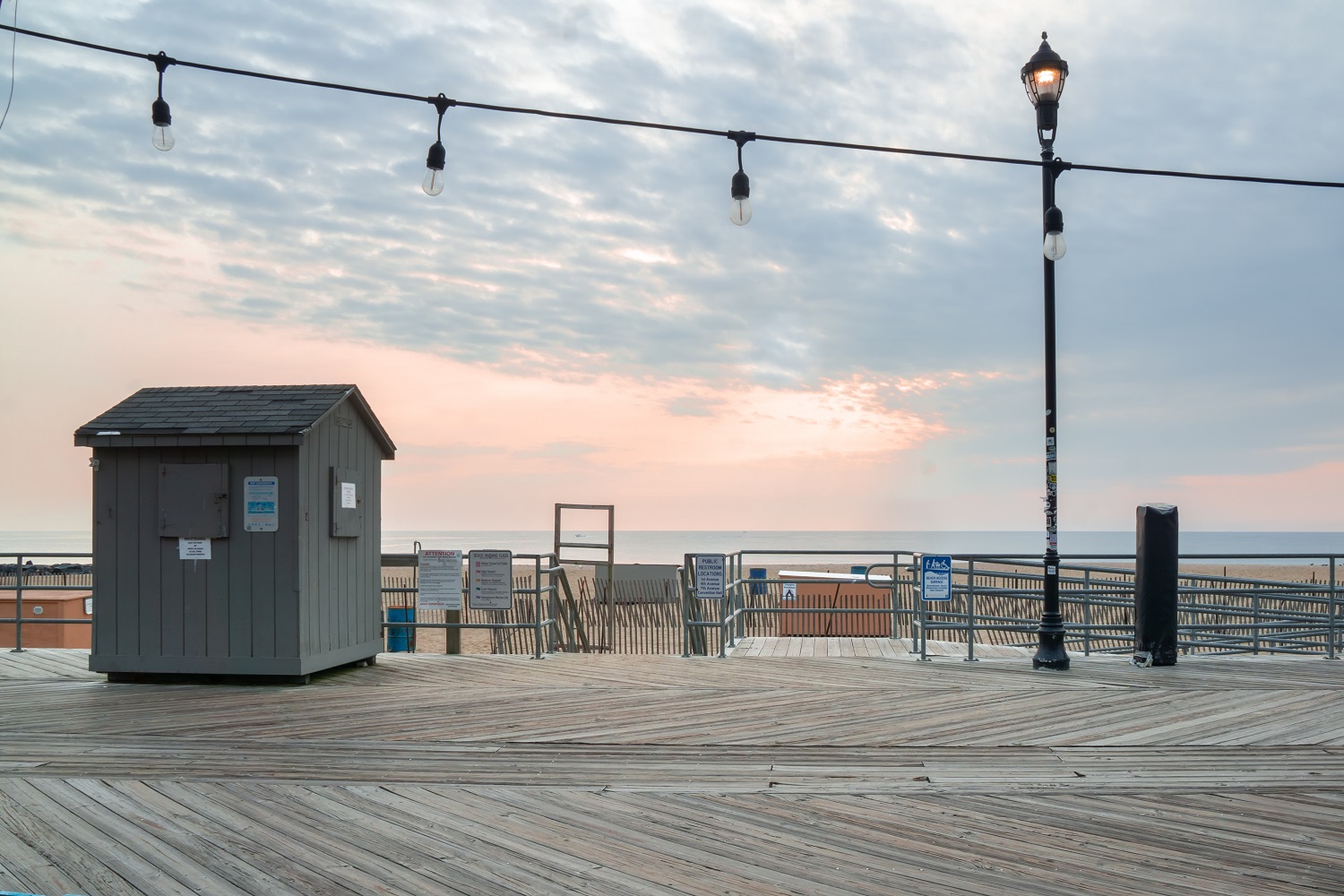
The Jersey shore is a staple summer destination for NJ and even some NY residents. Everyone flocks to those iconic boardwalks in Seaside Heights, Point Pleasant, Atlantic City, Long Beach Island and more. Most of those visits end with a sunburn, funnel cake, or some fried Oreos. But sometimes, the day veers into dangerous territory when a loose board catches someone’s foot or a ride restraint fails. Entering that territory warrants a call to a New Jersey premises liability lawyer.
They can help you make sense of a stressful situation when your shore day turns upside down. Because the first legal question is rarely “what happened.” It’s much deeper than that. Who controlled the place where it happened? Was it a private business or municipality? These are just a few of the variables that inform Jersey Shore premises liability cases.
How New Jersey Premises Liability Applies at the Shore
A private business that invites customers onto its property must use reasonable care to keep the premises safe. For a boardwalk attraction on the Jersey Shore, that means reasonable inspections, prompt repairs, and a warning when a hazard can’t be fixed right away. New Jersey law generally treats paying customers as business invitees, which affects the duty owed to them. That duty can apply inside an arcade, on a privately operated pier, or anywhere else a business controls the customer’s path, and a lease may assign repair duties to a tenant while a separate contractor handles the structure.
It’s a different story on public property. Municipalities aren’t held to the same standards as private businesses. Claims involving a city-owned boardwalk are governed by the New Jersey Tort Claims Act, which comes with additional proof requirements and procedural deadlines.
Ride Malfunctions Can Involve More Than One Legal Theory
The legal theory depends on how the ride specifically failed. Improper loading, poor supervision, or a failure to follow the operating manual may support a negligence claim against the ride operator. When the failure began with the ride’s design or manufacture instead, the facts may support a product liability claim against the company that made the equipment.
Loose Boards, Slippery Surfaces, and Missing Repairs
Salt air, heavy foot traffic, and storms batter wooden decking and cause it to deteriorate faster. Premises liability claims stemming from this usually hinge on proving that more than one plank was compromised. The injured party also needs evidence proving a connection between that specific condition and the responsible party. Notice may be shown through an earlier complaint, recurring repairs in the same spot, or proof the defect existed long enough to be discovered. General wear isn’t the same as evidence about the one hazard that caused the fall.
This was shown in an unpublished 2025 Appellate Division decision Feeney v. City of Atlantic City. A visitor tripped on uneven Atlantic City boardwalk planks, and the court affirmed judgment for the city because the plaintiffs couldn’t prove that Atlantic City created the defect or had notice of those specific uneven boards in time to fix them. The record also lacked evidence of when the boards became uneven. Although Feeney is unpublished and not binding precedent, it illustrates the real problem in public-boardwalk cases: evidence that a boardwalk experiences general wear is different from evidence connecting a municipality to one dangerous spot.
Overcrowding and Poor Crowd Control
Hazards don’t always have to be structural. Fireworks displays and holiday weekends can attract an overabundance of people to a pier. That overcrowding can become a problem when narrow areas become dangerously congested or when someone gets pushed against a railing or knocked from a platform. The operators can be held liable if they control admission and don’t anticipate these conditions.
Who Could Be Responsible?
Several parties may have different roles in the same accident:
- The property owner, for structural conditions or repair duties it retained under a lease
- A tenant operating the attraction, for daily inspections, access, and employee conduct
- The ride operator, when improper operation or supervision contributed to the injury
- A manufacturer, when a defective component or design caused the failure
- A municipality, when a dangerous condition existed on public property and the Tort Claims Act’s requirements are met
Control matters more than labels. The business collecting payment may not own the pier, and the city may own the walkway while leasing nearby space to private vendors. Sorting out who’s responsible works the same way it does after a car accident in New Jersey: the answer decides who you’re actually filing against before anything else does, and the party responsible for preventing a hazard isn’t always the party whose name is on the sign.
Proving a Claim Against a Private Business
A negligence claim against a private owner or operator generally requires proof of a duty, a breach, causation, and real damages. The evidence depends on the accident. A boardwalk fall, for example, may depend on photographs of a raised plank, while a ride case may depend on surveillance footage or what the operating manual says. Witnesses can also establish how long a condition existed or what employees did right after.
The Higher Standard for a Municipal Boardwalk Claim
Claims against municipal entities in New Jersey require the claimant to show a dangerous condition caused the injury, created a foreseeable risk, and that the entity created it or had actual or constructive notice with enough time to act. Liability is unavailable unless the entity’s failure to act was palpably unreasonable, a materially tougher bar than ordinary negligence. General awareness that an aging boardwalk is deteriorating doesn’t prove the municipality knew about one specific raised board, which is exactly what sank the claim in Feeney.
What Happens When the Visitor Is Partly at Fault?
Under New Jersey’s comparative-negligence rule, a visitor’s own fault doesn’t automatically bar recovery. Damages are reduced by the visitor’s percentage of fault, and anyone found 51 percent or more responsible generally can’t recover. That’s why photographs and witness accounts are imperative in showing how visible the hazard was for both sides.
What Compensation May Include
Recoverable damages may include medical expenses, lost earnings, pain and suffering, and future losses supported by the evidence. A serious back injury can mean treatment long after the initial hospital visit, and ride malfunctions in particular can cause spinal injuries and other conditions with a lengthy recovery. The value of a claim can’t be measured from the emergency room bill alone when the injury affects future work or treatment.
What to Do After a Boardwalk or Ride Injury
Always seek medical care as your first priority. After that:
- Photograph the defect, ride, or platform before it changes
- Save the ticket, wristband, or receipt identifying the attraction
- Record the names and contact information of witnesses
- Report the incident and request a copy of any written report
- Avoid guessing about what happened in a recorded insurance statement
Evidence can quickly vanish at busy shore locations. Planks can get replaced, rides can reopen, and the sheer volume of people on a hot summer weekend can obscure the necessary evidence.
Private and Public Claims Have Different Deadlines
New Jersey generally provides two years to file a personal injury action. A claim against a municipality carries a much shorter deadline instead: the Tort Claims Act requires a formal notice within 90 days of the accident, and filing a lawsuit within two years doesn’t fix a missed notice. This is why determining who owned or controlled the accident location can’t wait until treatment is finished, since the answer changes which deadline applies.
Common Questions About New Jersey Boardwalk Injury Claims
Can I file a claim after signing a ride waiver?
Possibly. New Jersey courts may enforce recreational waivers against ordinary-negligence claims, but a business generally can’t use one to escape liability for gross negligence or to contract away a statutory duty. A lawyer would need to compare the waiver’s language against what actually happened.
How can I tell whether a boardwalk area is public or private?
Start with the deed, lease, or municipal licensing records for that section. A boardwalk can look like one continuous public walkway while including city-owned sections and privately leased storefronts, and a single fall can straddle both. This is often the first thing investigated, since it decides the defendants, the legal standard, and the notice deadline.
Does the claim change when a child was injured?
Yes. A child’s age and ability to recognize a hazard can affect the analysis, and a signed waiver may raise separate questions about who signed it and whether they had authority to waive a child’s claim.
Before the Evidence Disappears
Time doesn’t stop when a boardwalk accident occurs. Crowds move on and repairs begin, so choosing the right attorney starts with finding a New Jersey premises liability lawyer who understands both private premises claims and the Tort Claims Act, since the investigation has to identify who controlled the location before the notice deadline runs.
A day at the shore should end with tired feet and maybe a sunburn. When it ends with an injury instead, finding the right deadline and preserving the original condition matter more than waiting to see if the problem resolves on its own.
Sources
N.J.S.A. 59:4-2: Liability for Dangerous Conditions of Public Property
Jessica Feeney, et al. v. City of Atlantic City, A-0762-23, decided March 19, 2025
N.J.S.A. 2A:14-2: Personal Injury Statute of Limitations
N.J.S.A. 59:8-8: Public-Entity Notice Deadline